
La Nuova Bellaria
WINES…
WINE CELLAR AND PRODUCTION PHILOSOPHY
Nuova Bellaria Società Agricola S.r.l., the continuation of the old Az. Agricola Bellaria, which has been in existence for over 50 years in the same location, is now part of FEDERPERITI, the Italian Federation of Insurance and Damage Experts, and is run by Filippo Zaffarana, Official AIS Taster and ONAV Master Taster.
Bellaria has set itself the goal of sharing the beautiful places that characterise the Oltrepò Pavese area (and in particular the Casteggiano area) by organising events (weddings, christenings, confirmations, birthdays, corporate meetings, etc.) using its own renovated and refurbished facilities, as well as creating quality wines.
Production is primarily intended for its members, then for events that increasingly frequently use it.
Therefore, after converting both the vineyards and the winery to organic farming, the goal is and will continue to be to produce quality wine that satisfies both members and guests alike.
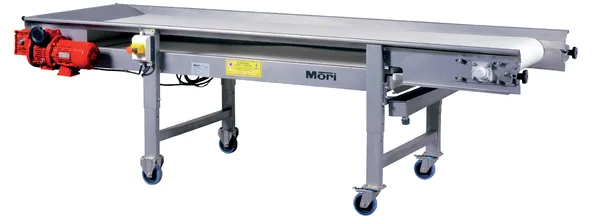
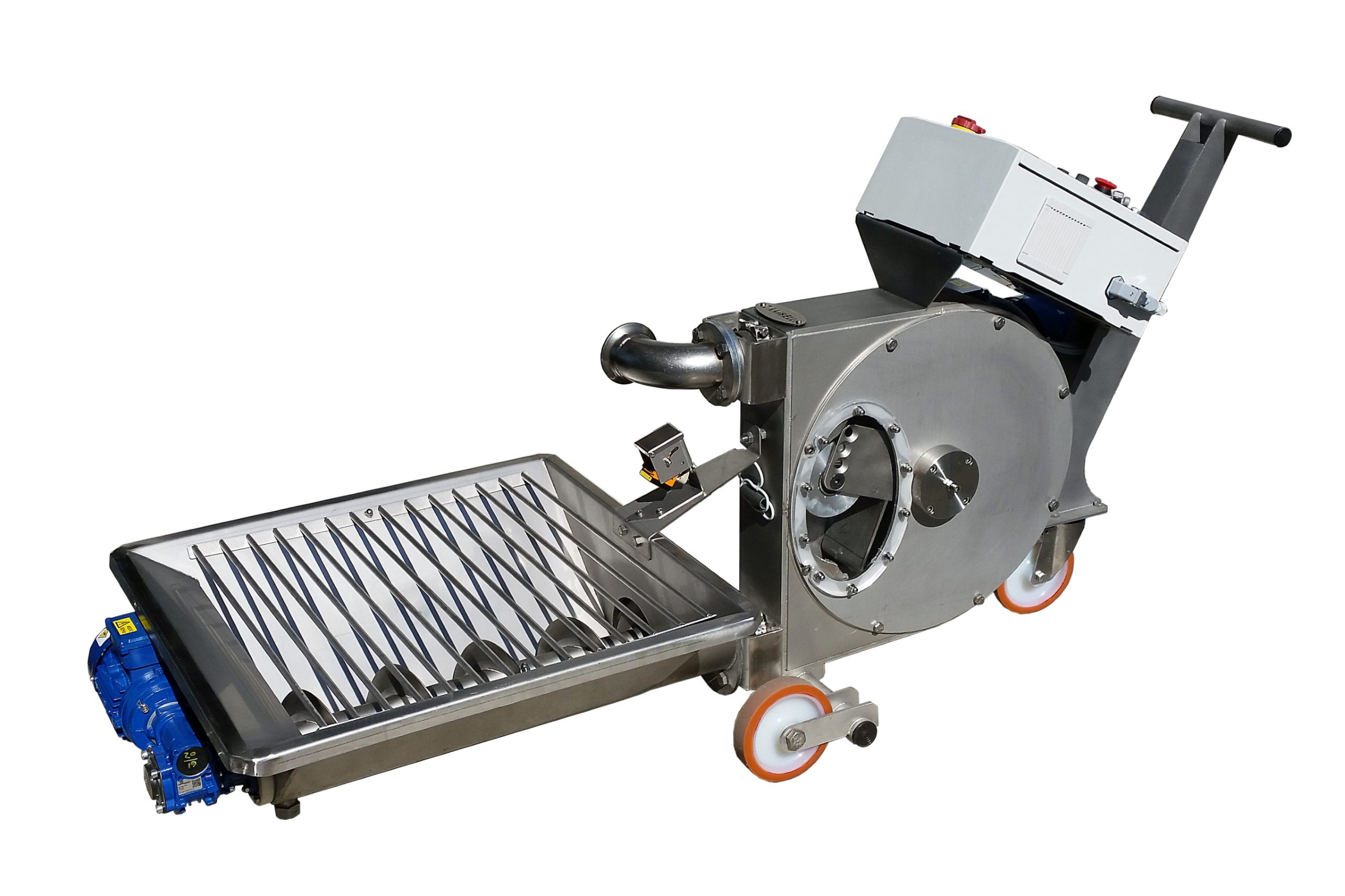
With a view to pursuing quality, high-profile equipment and methodologies have been introduced: exclusively hand-picked grapes, exclusive use of our own grapes, manual selection of bunches before crushing, destemming, soft pressing, use of peristaltic pumps, cold maceration at controlled temperatures, and soft pressing of the pomace (which will then be used to make our grappas).
Similarly, thermo-regulated stainless steel tanks and French barriques – new, first and second use – are used, as well as tonneaux for more delicate wines. Vinification tends to be single-varietal in order to enhance the characteristics of the grape variety.
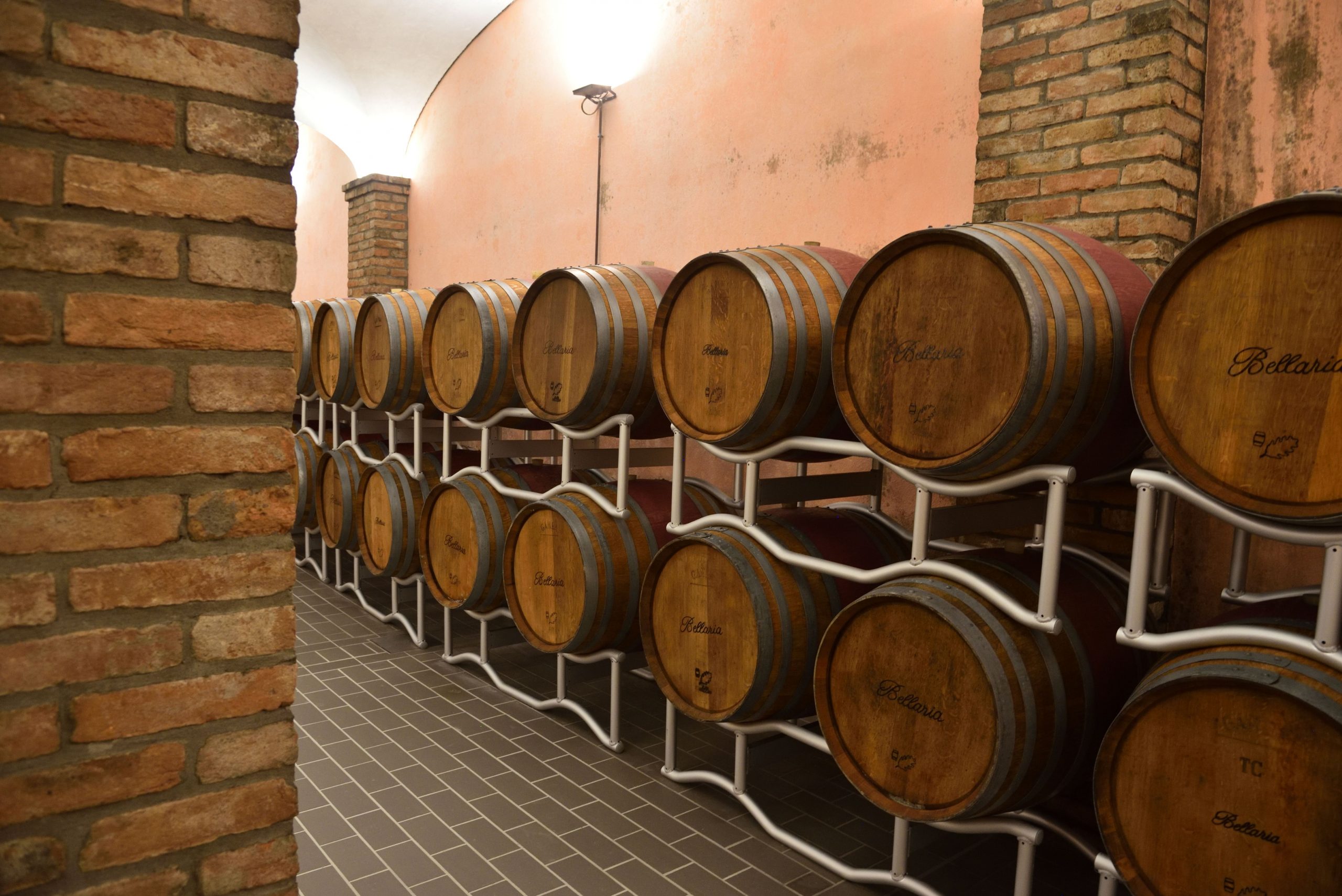
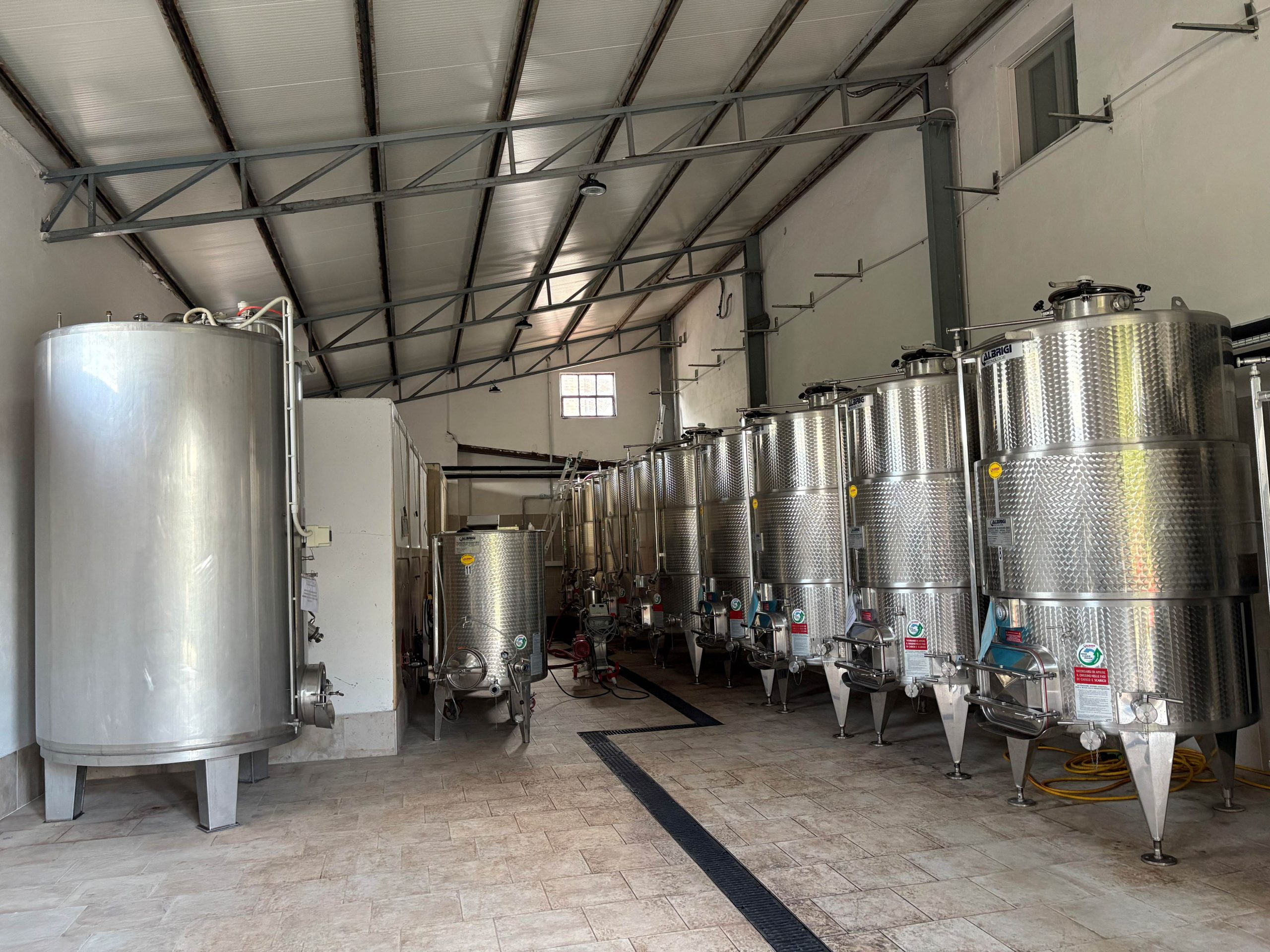
THE WINE CELLAR
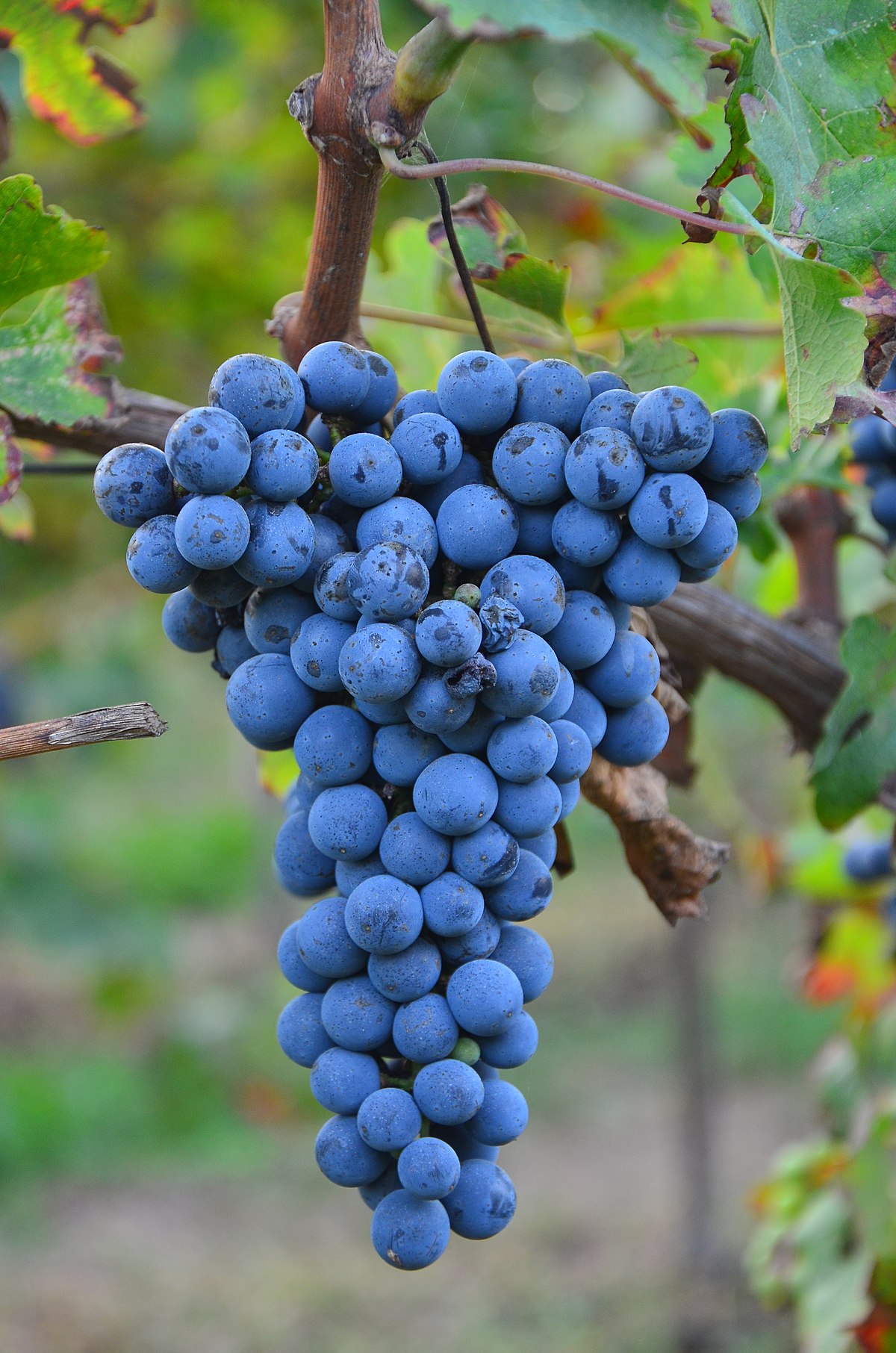
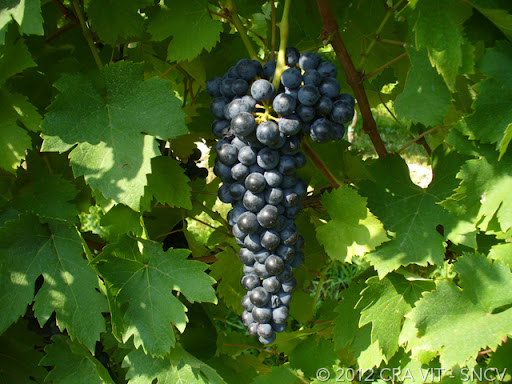
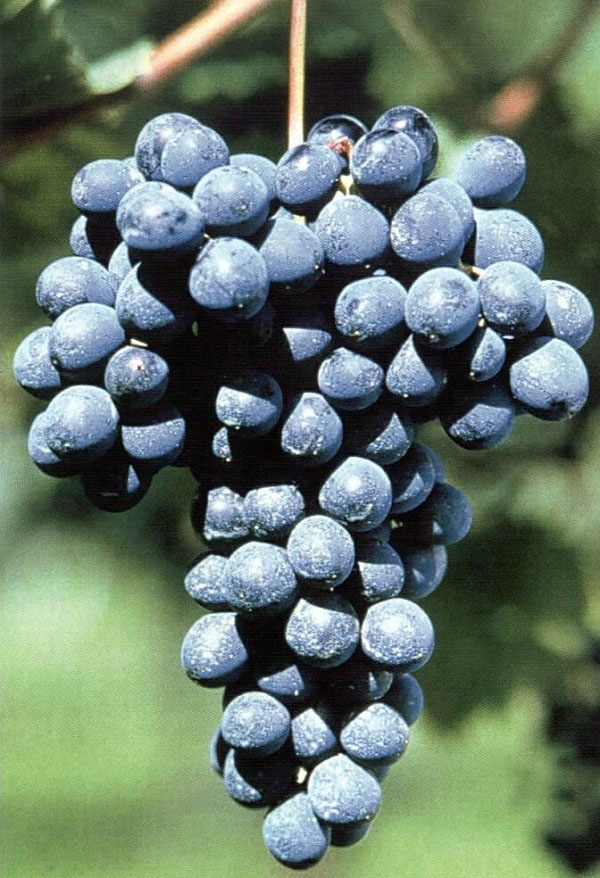
Grapes are obviously the unique and irreplaceable raw material, a reservoir of all the potential characteristics that will shape the beloved liquid.
The grape is the greatest concentration of cultural potential in contemporary agriculture.
This is the starting point for production. The high quality of the grapes is fundamental and essential for the production of a great wine, which begins in the vineyard.
“A great grape starts out with everything it needs to become a great wine.”
The difference lies in the vineyard where the bunch took shape, filling itself with what the soil has to offer through the roots of the plant.
The cellar processes will serve to accompany the wine obtained towards perfect maturation.
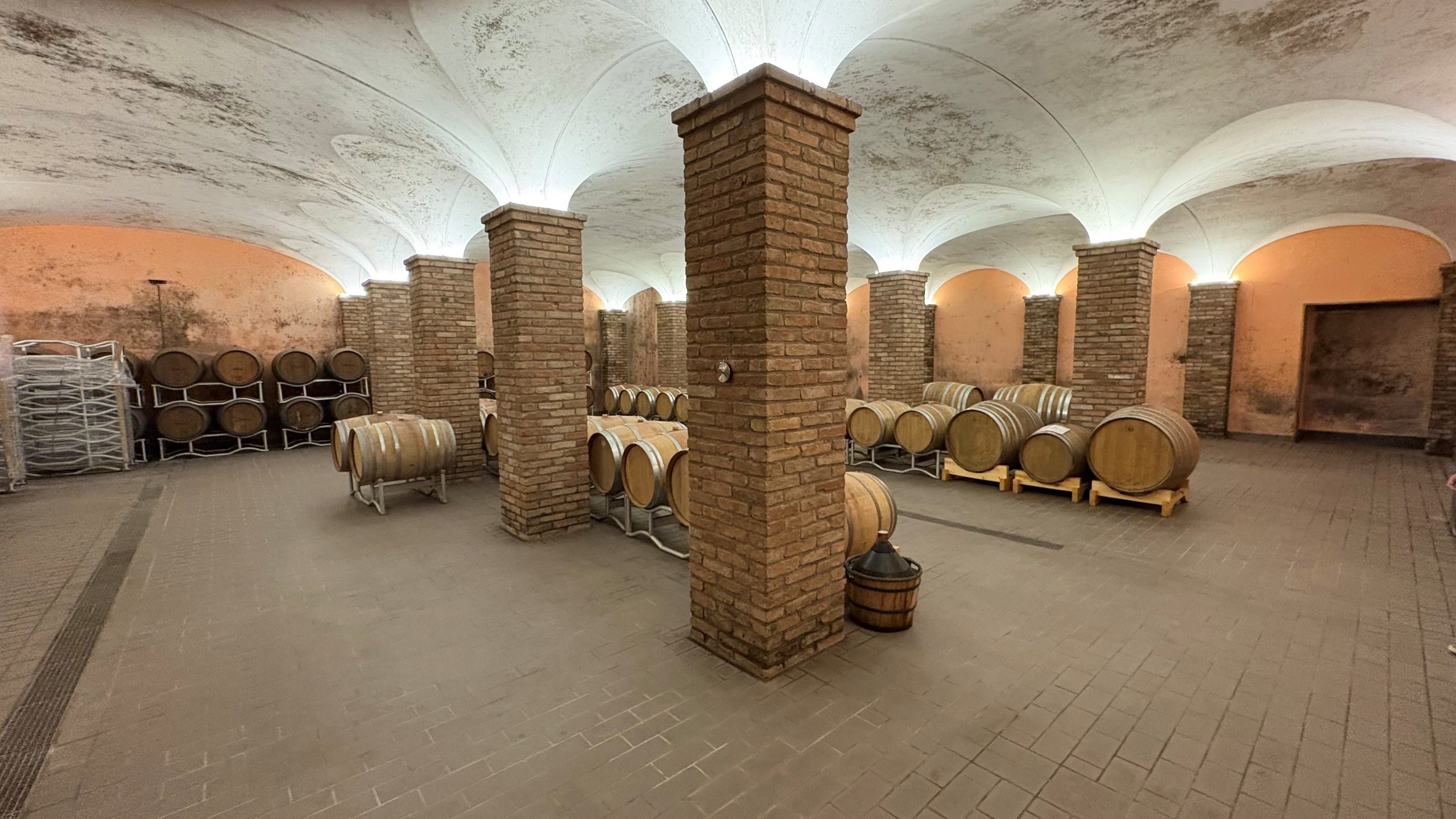
THE PROCESSES
The red grapes are selected, destemmed and sent to vats for maceration and tumultuous fermentation. Subsequently, the finest wines are aged in small oak barrels (barriques) from the French Massif Central, to give the product harmony and complexity.

For Pinot Noir grapes used in the Metodo Classico, whole bunches are gently pressed to limit sedimentation and obtain a high-quality free-run juice.
Subsequently, decanting and initial fermentation at a controlled temperature take place in stainless steel vats, which guarantee optimal conditions.
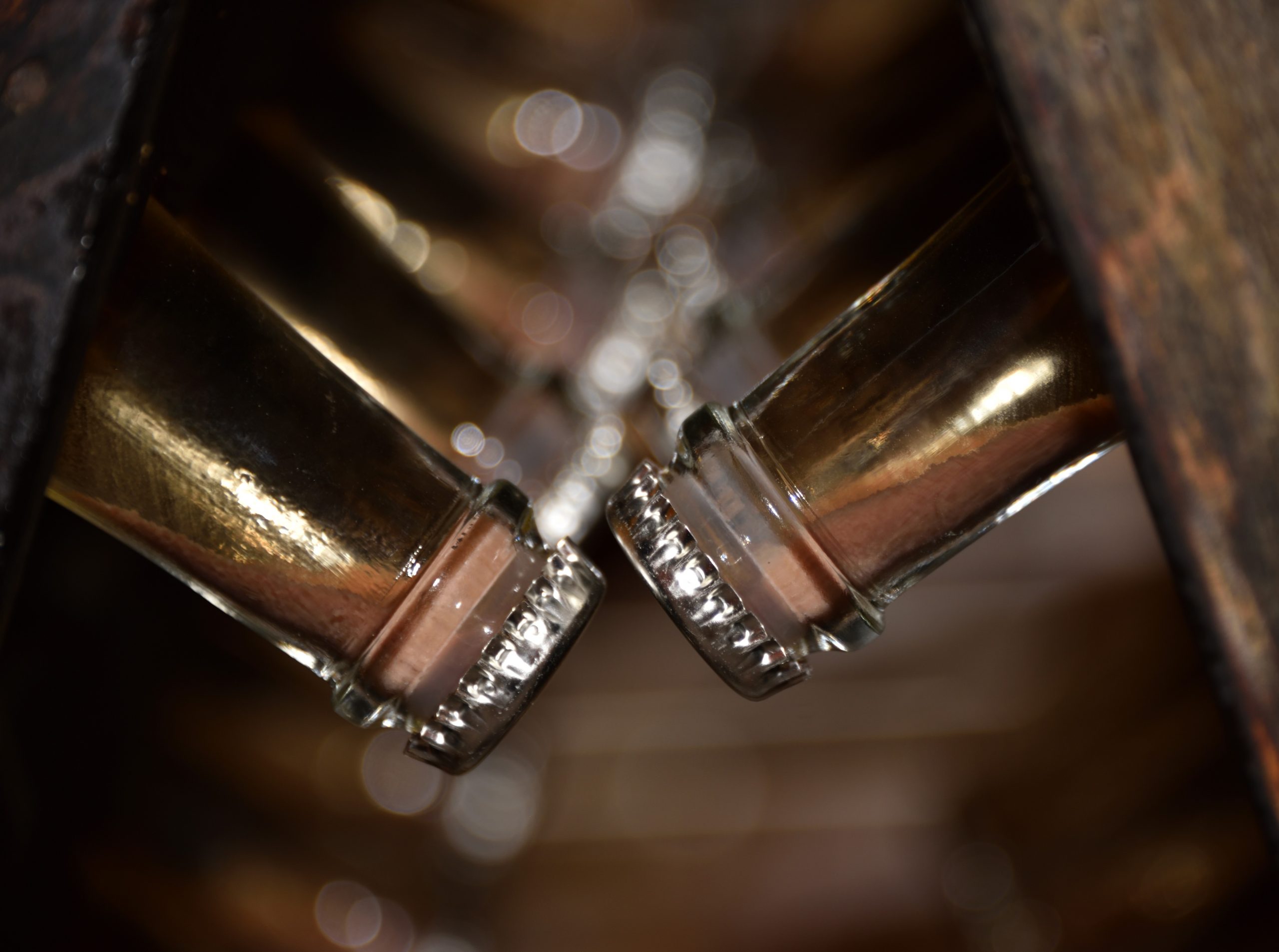
After refermentation, the bottles undergo a long ageing process (at least 50 months) on the lees in a temperature-controlled cellar.
Disgorging and bottling conclude a cycle characterised by tradition, quality and biodiversity.
Although Oltrepò Pavese has various and varied possibilities for types and versions in its wine production regulations, we at ‘La Nuova Bellaria’ believe that these wines are the products most closely linked to the territory.
The ‘La Nuova Bellaria’ winery considers its wines to be inextricably linked to the vineyard that produced the grapes: the “Bellaria” vineyard for the Metodo Classico and the ‘Olmetto’ vineyard for the reds.
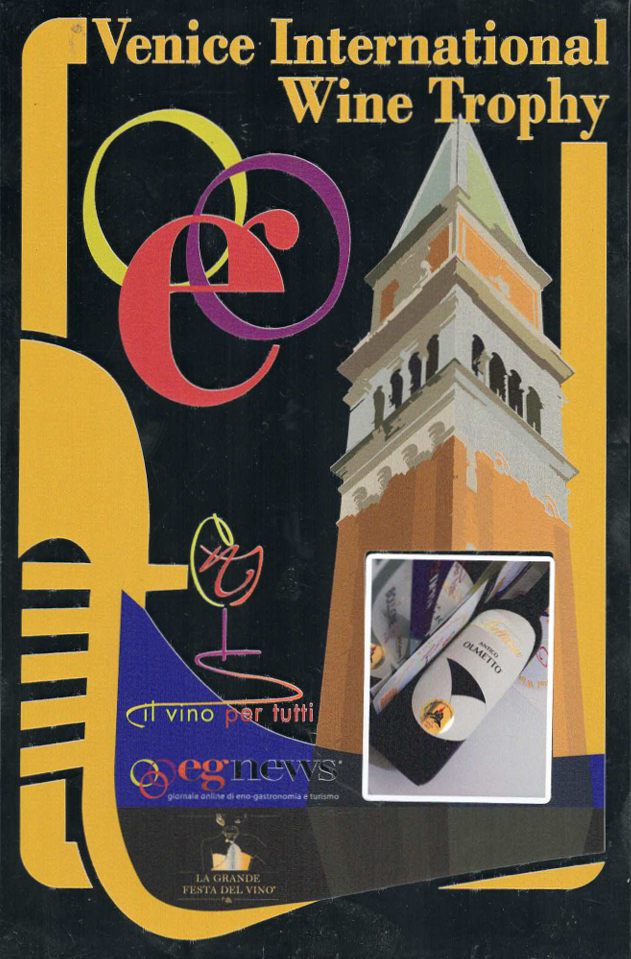
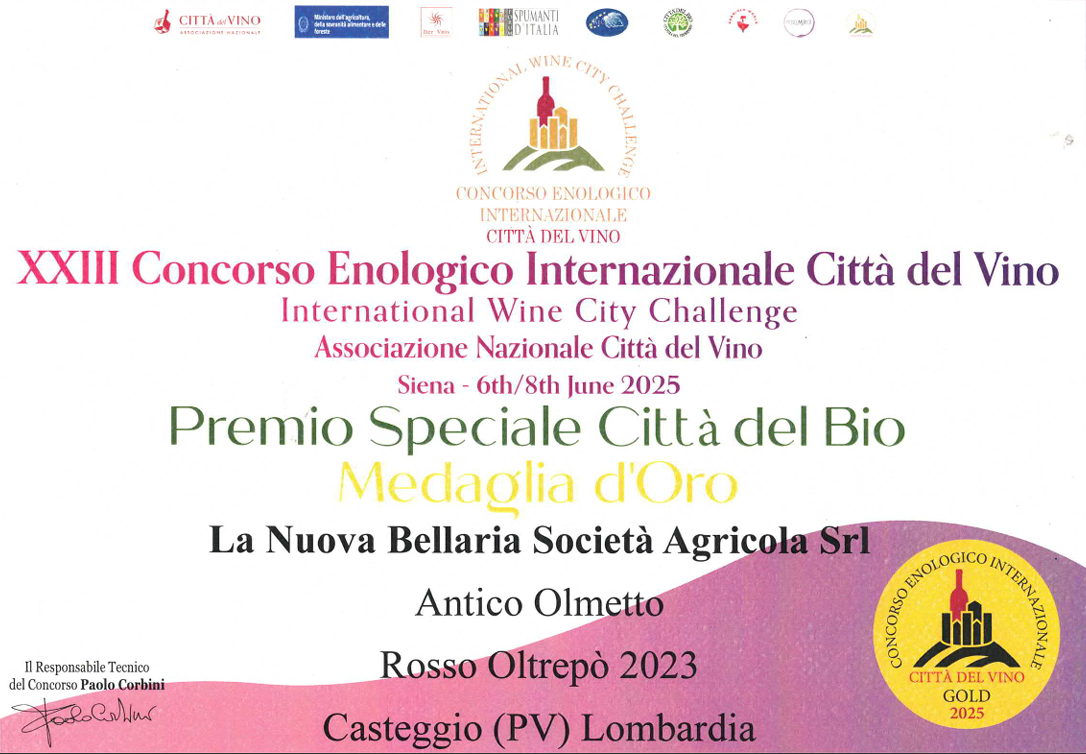
The recently introduced ‘Antico Olmetto’ is the company’s flagship product, the result of a blend of Merlot, Cabernet Sauvignon and Petit Verdot grapes.
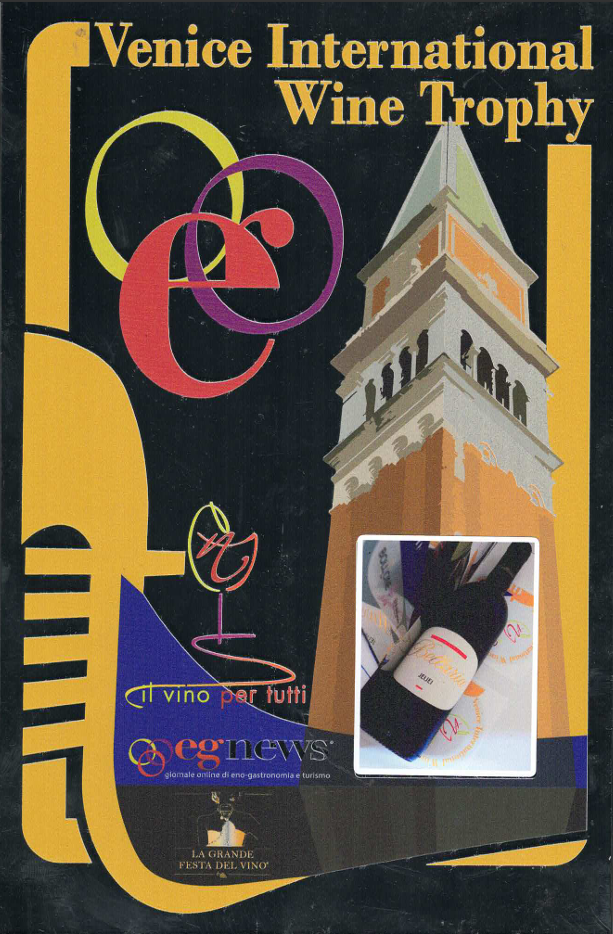
In addition, there are single-varietal Pinot Noir and Barbera wines. On the other hand, a rare grape variety called ‘JeyJey’ has been introduced, producing a fresh, youthful wine that is ready to drink.
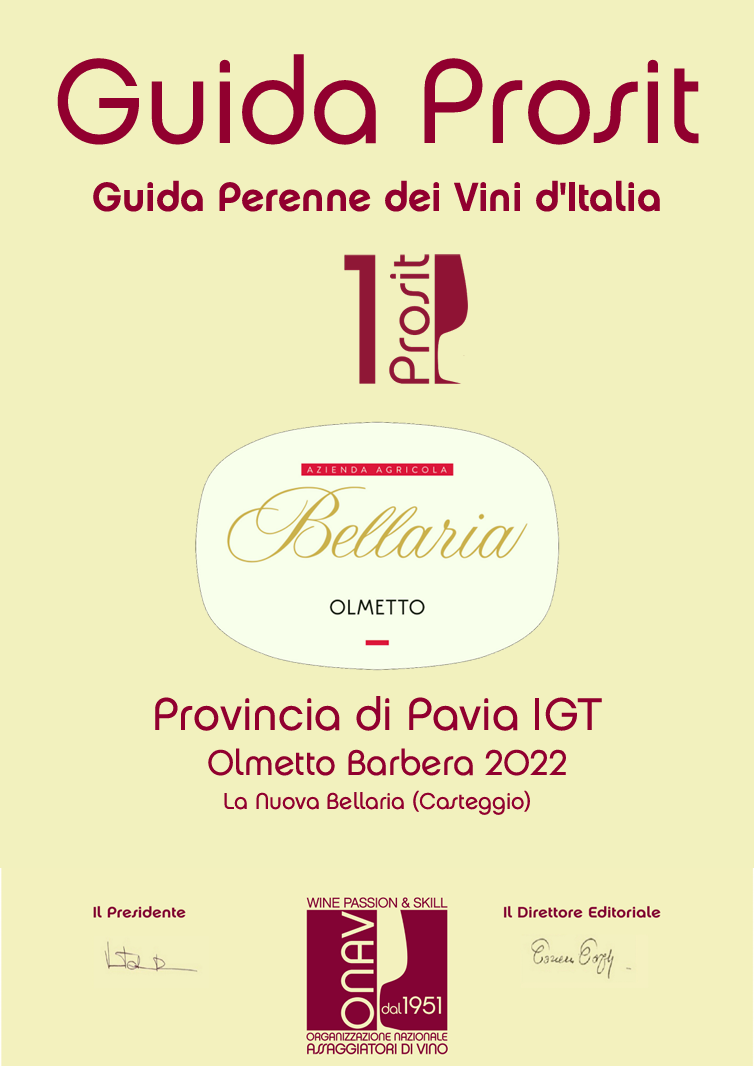
THE AWARDS
For further details, click on the button below and you will be redirected to the relevant page…
Go to Awards

“Il buon vino nasce in cantina quando buona uva incontra buona conoscenza. La prima senza la seconda è muta, la seconda senza la prima è cieca“.
Bignami